Header image

Votre avatar est important: c’est votre packaging

Alexandre Gravel

De plus en plus, notre avatar ou photo de profil deviennent notre sceau, notre signature et les changer a un impact plus grand qu’on ne le pense.

Le flot des gens que je suis sur Twitter (j’y suis ici) me fait souvent lever les sourcils et bien que la véritable raison d’être du service m’échappe encore, je reste convaincu de son utilité. Plus tôt aujourd’hui, MarcSchil demandait :

Is it just me, or do other people get extremely disorientated when someone they follow a lot on Twitter changes their icons?

Ma réponse :

@MarcSchil Not only you. The avatar is becoming the visual reference to quality of content. Change it and you have to rebuild avatar equity.

L’avatar, la photo de profil ou tout autre référence visuelle de notre présence sur les médias sociaux devient de plus en plus importante. Avec un taux d’adoption qui fait en sorte que la quantité d’information qui nous est balancée augmente sans cesse, que ce soit le news feed de Facebook ou le flot Twitter, notre oeil passe en mode lecture rapide et il cherche des ancrages visuels.

Entre en jeu l’importance des avatars (ou photos de profil dépendant de la plateforme).

Avez-vous remarqué à quel point c’est déstabilisant quand une personne qui avait le même avatar depuis un temps le change? Avez-v0us remarqué que si en plus cette personne est une de celles que vous suivez plus particulièrement ce l’est encore plus?

On parle beaucoup de personal branding, vous êtes votre propre marque, et votre avatar peut faire en sorte que d’une minute à l’autre vous perdiez une partie de votre équité de marque acquise avec tant de travail. Si votre marque personnelle (personal branding) est ce qui vous définit, votre avatar est votre packaging (en ligne évidemment).

Dans un contexte personnel (comme Facebook l’est pour moi), l’impact est minime, sinon même positif. Dans un contexte d’affaires (comme Twitter l’est pour moi), la situation est différente. Vous passez beaucoup de temps à vous bâtir un réseau et dans le cas de Twitter, un réseau de gens qui vous lisent et vous suivent. Rapidement, ces gens associent les sujets dont vous parler et, par la bande, la qualité de vos interventions à votre avatar. C’est le référent visuel dans le flot d’interventions qu’ils voient chaque jour.

Le changer n’est pas repartir à zéro, mais presque.

Choisissez votre avatar avec soin. Montrez votre face, assurez-vous d’être bien cadré(e) et faites attention : votre humeur sur votre avatar viendra teinter toutes vos interventions (!). Souriez!… et surtout… surtout… ne le changez pas trop souvent.

Your avatar is important ... it’s your packaging

Alexandre Gravel

More and more, our avatars or profile pictures are becoming our seal, our signature and changing it has a greater impact than previously thought.

The stream of people I follow on Twitter (I can be found here) often have me raising my eyebrows and while the real purpose of this service still evade me, I remain convinced of its utility. Earlier today, MarcSchil asked:

“Is it just me, or do other people get extremely disorientated when someone they follow a lot on Twitter changes their icons?”

My response :

“@MarcSchil Not only you. The avatar is becoming the visual reference to quality of content. Change it and you have to rebuild avatar equity. »

The avatar, profile picture or any other visual reference regarding our presence on social media is becoming more and more important. An increasing amount of information is hurled at us constantly due to the ever-growing number of members, be it the newsfeed on Facebook or Twitter, and our eyes switch to speed reading, searching for visual anchors.

Here’s where avatars (or profile pictures, depending on the platform) come into play.

Have you noticed how destabilising it is to have someone change their avatar, when they have been using the same one for a long time? Have you noticed that if it’s a person you follow a lot, it’s even more destabilising?

We hear a lot about personal branding, you are your own brand, and your avatar – in the blink of an eye – can cause you to lose part of your brand equity gained with so much work. If your personal branding is what defines you, your avatar is your package (online, obviously)

In a personal context (like Facebook is for me), the impact is minimal, or even positive. In a business context (like Twitter is for me), the situation changes. You spend a lot of time building yourself a network and in Twitter’s case, a network of people who read and follow you. Very quickly, these people associate the topics you tweet about and thus the quality of your tweets to your avatar. It’s the visual reference in the stream of interventions they see every day.

Changing it is not going back to square one, but just about.

Choose your avatar with care. Show your face, be sure to frame it well and be careful: the mood depicted on your avatar will undoubtedly taint your interventions (!). Smile!… and above all… above all… don’t change it too often.


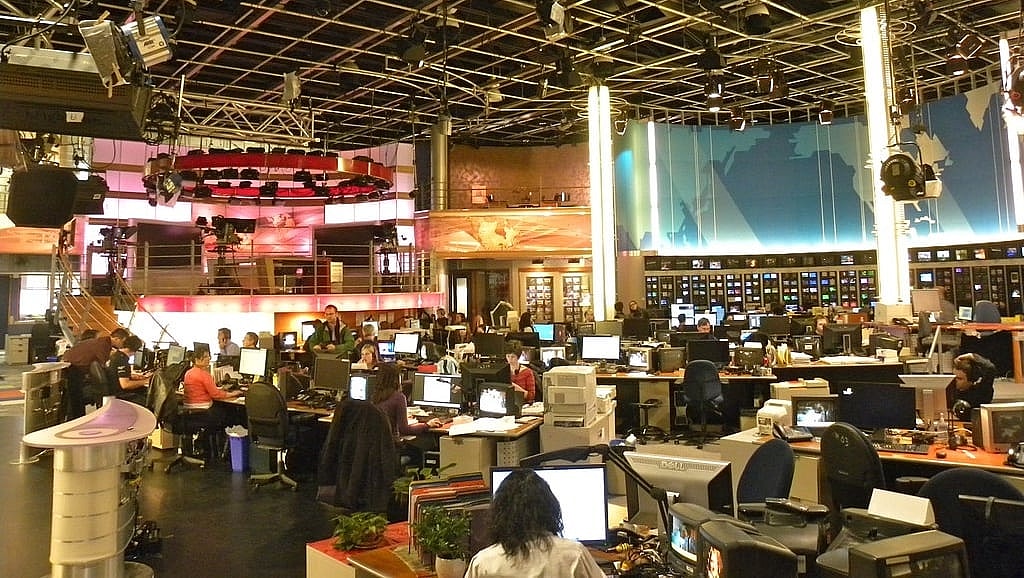
25951683_3030a62598

(photo via Flickr)

Commentaires/Comments