More and more, our avatars or profile pictures are becoming our seal, our signature and changing it has a greater impact than previously thought.
The stream of people I follow on Twitter (I can be found here) often have me raising my eyebrows and while the real purpose of this service still evade me, I remain convinced of its utility. Earlier today, MarcSchil asked:
“Is it just me, or do other people get extremely disorientated when someone they follow a lot on Twitter changes their icons?”
My response :
“@MarcSchil Not only you. The avatar is becoming the visual reference to quality of content. Change it and you have to rebuild avatar equity. »
The avatar, profile picture or any other visual reference regarding our presence on social media is becoming more and more important. An increasing amount of information is hurled at us constantly due to the ever-growing number of members, be it the newsfeed on Facebook or Twitter, and our eyes switch to speed reading, searching for visual anchors.
Here’s where avatars (or profile pictures, depending on the platform) come into play.
Have you noticed how destabilising it is to have someone change their avatar, when they have been using the same one for a long time? Have you noticed that if it’s a person you follow a lot, it’s even more destabilising?
We hear a lot about personal branding, you are your own brand, and your avatar – in the blink of an eye – can cause you to lose part of your brand equity gained with so much work. If your personal branding is what defines you, your avatar is your package (online, obviously)
In a personal context (like Facebook is for me), the impact is minimal, or even positive. In a business context (like Twitter is for me), the situation changes. You spend a lot of time building yourself a network and in Twitter’s case, a network of people who read and follow you. Very quickly, these people associate the topics you tweet about and thus the quality of your tweets to your avatar. It’s the visual reference in the stream of interventions they see every day.
Changing it is not going back to square one, but just about.
Choose your avatar with care. Show your face, be sure to frame it well and be careful: the mood depicted on your avatar will undoubtedly taint your interventions (!). Smile!… and above all… above all… don’t change it too often.

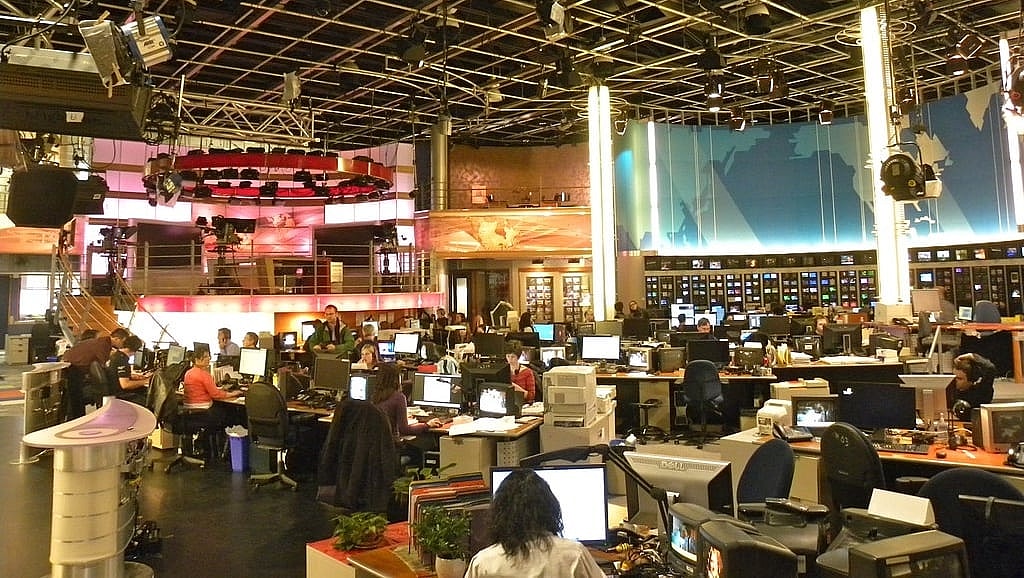
(photo via Flickr)